

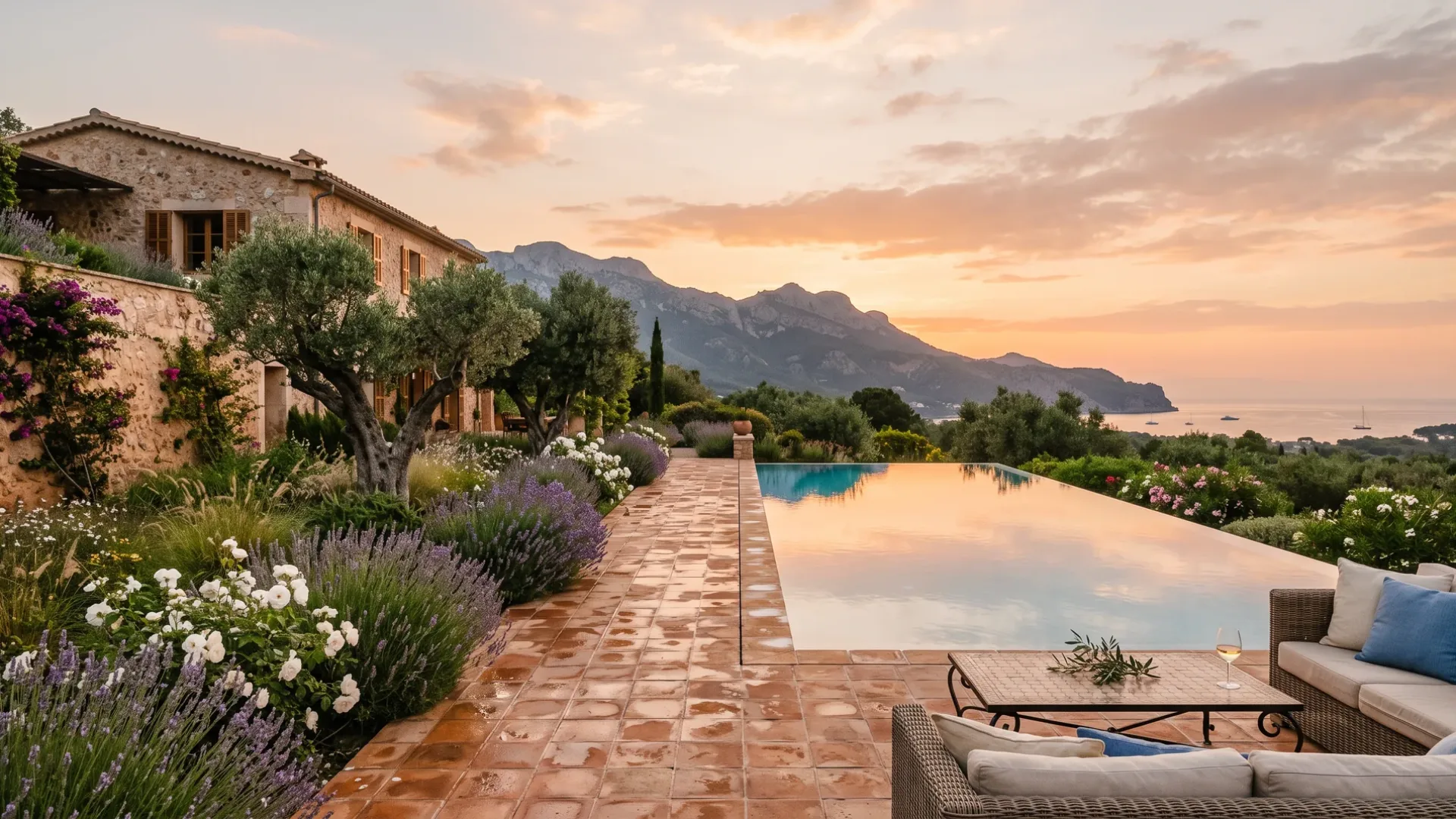
Rustic Finca Garden
The look most people picture when they think of the interior of this island. Dry stone terracing, old fruit trees, gravel courtyards and planting that stops rather than sprawls.
request describes the job
companies see it
for you, always
obligation to accept
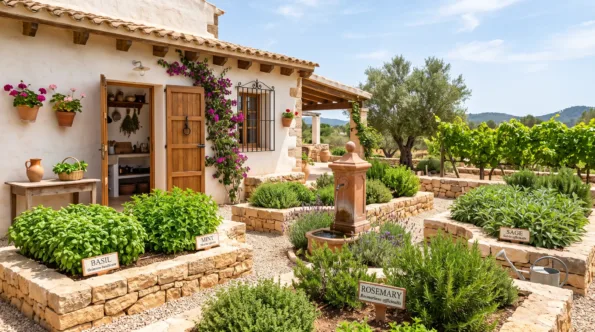
The garden is mostly editing
On a finca the raw material is already there. Marges, almond and carob, a walled courtyard, a cistern and a track. The work is deciding what to reveal, what to repair and where to stop, rather than importing a design onto the land.
What separates a good finca garden from a neglected one is the transition. Planted and irrigated close to the house, then a clear edge, then managed grove and rough ground beyond it. Blur that line and the garden looks unfinished everywhere.
Materials should be the ones already on the property. New stone that does not match the marges is the single most common thing that makes a restored finca look restored rather than old.
Typical ingredients
- Dry stone terracing repaired rather than replaced
- Existing olive, almond and carob kept as structure
- Gravel courtyards and compacted earth paths
- A restored cistern or water channel
- Bougainvillea, jasmine and vines on the walls
- Herbs and a small orchard near the kitchen
- A clear boundary between garden and land
- Seasonal cutting rather than constant maintenance
How this gets built
Do I have to garden the whole property?
No, and it is usually a mistake to try. Most working finca gardens are intensive near the house and managed lightly beyond it.
Can old almond trees be saved?
Often, with careful pruning over a few seasons. Ones that are dead or diseased are better replaced, and a company that works on rural land can tell you which is which.
Like this? Get it priced
Describe the property and companies used to rural land will quote you.