


Coastal Garden
On a front line plot the sea decides the plant list. Salt in the air, wind that never fully stops and light bouncing off the water all narrow the choices, and the gardens that work here lean into that rather than fighting it.
request describes the job
companies see it
for you, always
obligation to accept
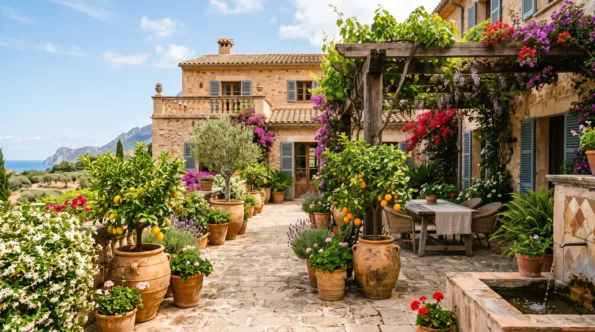
Salt burn looks like drought and is not
Leaves brown at the tips and edges, worst on the seaward side of every plant, and no amount of extra water fixes it. What fixes it is choosing species that tolerate salt spray and building shelter so the wind slows before it reaches anything soft.
That shelter is the real design work. A tough outer belt of tamarisk, pittosporum or juniper takes the beating, and everything more interesting sits behind it. Skip the outer belt and the whole garden is a front line garden.
Materials suffer too. Coastal air corrodes cheap light fittings, fixings and irrigation valves quickly, so specification matters more here than anywhere else on the island.
Typical ingredients
- A wind and salt tolerant shelter belt
- Tamarisk, pittosporum, myoporum, juniper and lentisc
- Low mounded planting rather than tall soft growth
- Gravel and stone that cope with wind scour
- Marine grade fittings for lighting and irrigation
- Terraces sheltered rather than open to the sea
- Sand tolerant ground cover near the boundary
- Freshwater rinsing built into the irrigation programme
How this gets built
How far inland does salt reach?
It depends on the wind and on what is between you and the water. A few hundred metres with a hill in between can behave like an inland garden, while an open first line plot is exposed all year.
Can I have a lawn near the sea?
Warm season grasses cope better than most, but wind and salt make it hard work. Ground cover and gravel usually give a better result for less.
Like this? Get it priced
Describe how exposed your plot is and companies that work on the coast will quote you.